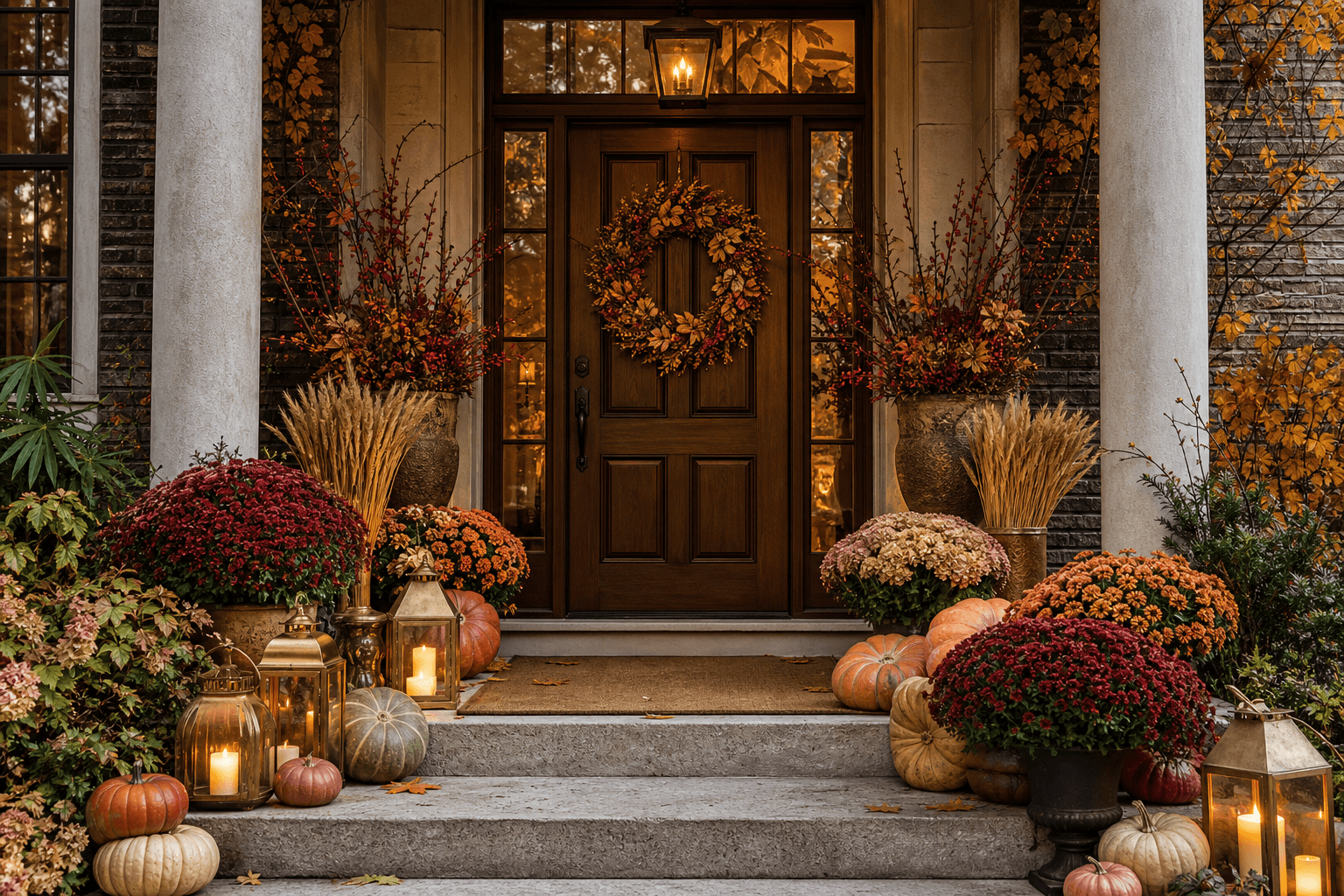
HOA Entrance Decor That Makes a Neighborhood Feel Cared For
The entrance to a neighborhood is doing more work than most HOA boards give it credit for.
Before a prospective buyer schedules a showing, before a new resident decides whether they made a good choice, before a vendor or guest forms an opinion, they've driven through that entrance. The monument sign, the flanking columns, the landscaping beds, the seasonal decor or lack of it: all of it lands as a signal. The question is what that signal says.
Your entrance is communicating property value before anyone knocks on a door
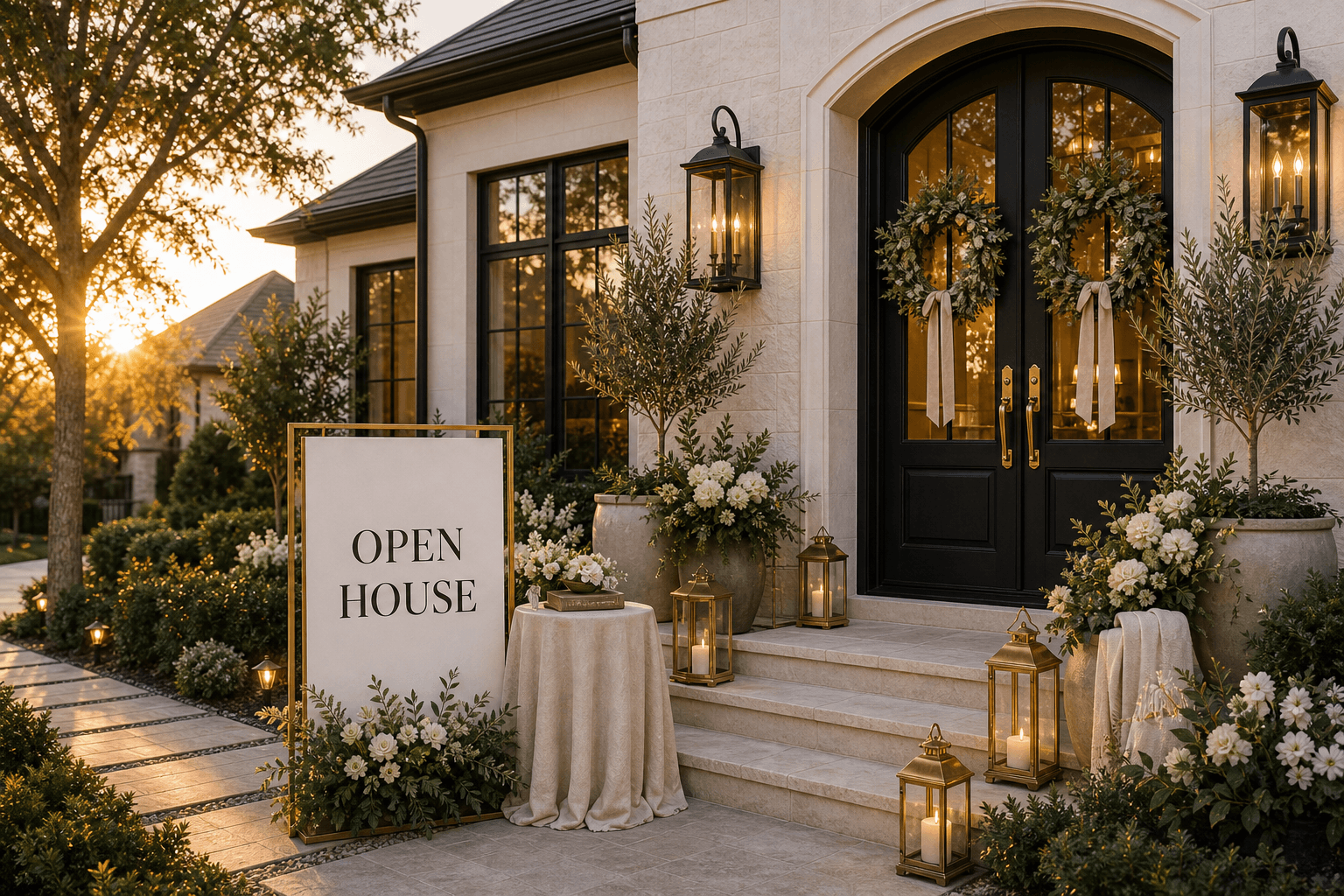
Real estate agents talk about curb appeal for individual homes, but the same principle applies at the community level. A well-maintained, thoughtfully decorated entrance communicates that this neighborhood has standards. It says the HOA is functional, the management is attentive, and the residents take pride in where they live. That perception influences resale values, rental rates, and the quality of buyer interest a community attracts.
The reverse is equally true. A bare, aging monument sign with dead annuals in the bed sends a message too. In fast-growing DFW markets like Prosper, Celina, and McKinney, where buyers have dozens of master-planned communities to choose from, first impressions at the gate or entrance median carry real weight.
A seasonal rotation outperforms any single permanent installation
Permanent installations have a ceiling. Once you've installed the stonework, the wrought iron, the mature shrubs, the effect is set. Seasonal decor is the layer that keeps the entrance feeling alive and current throughout the year.
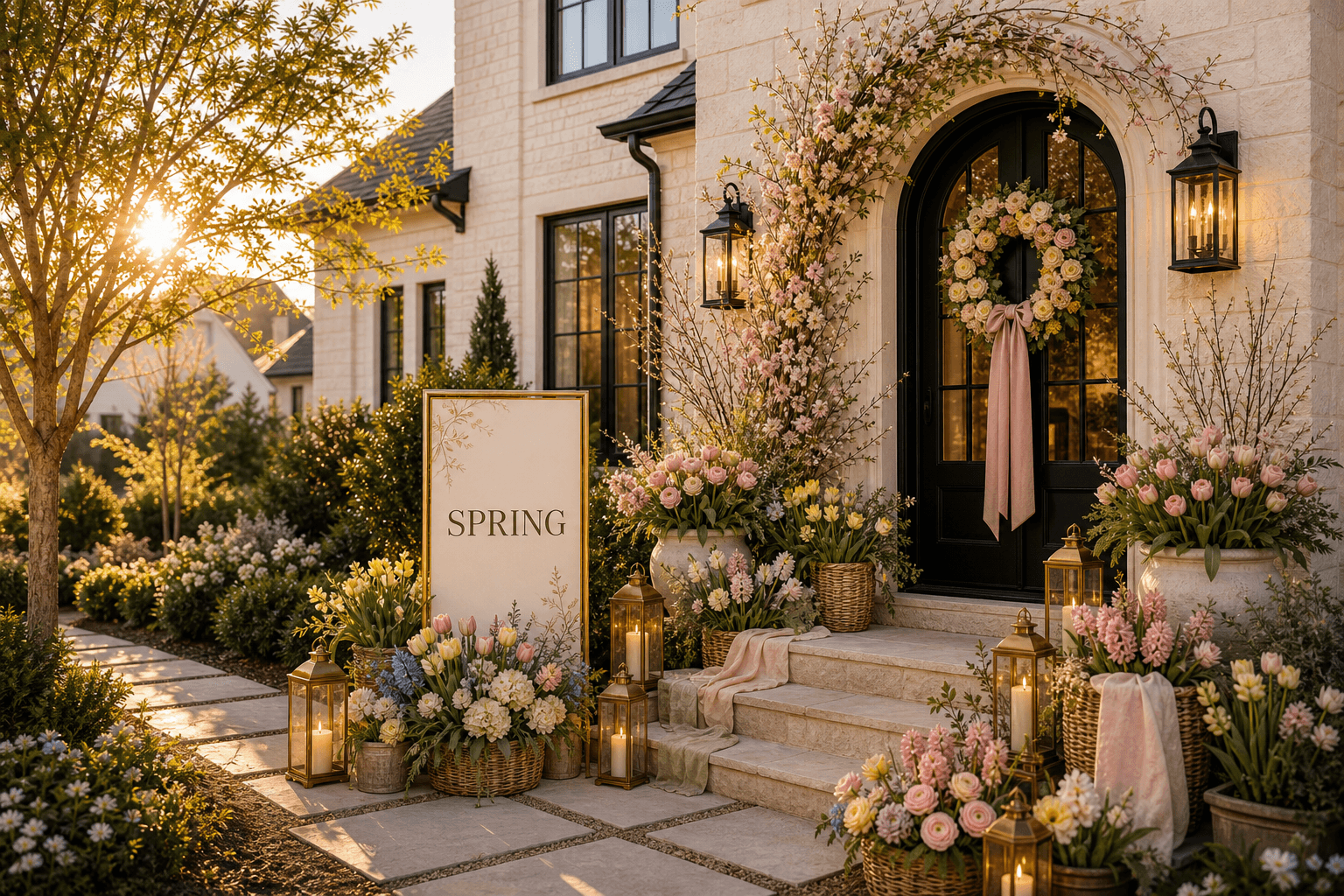
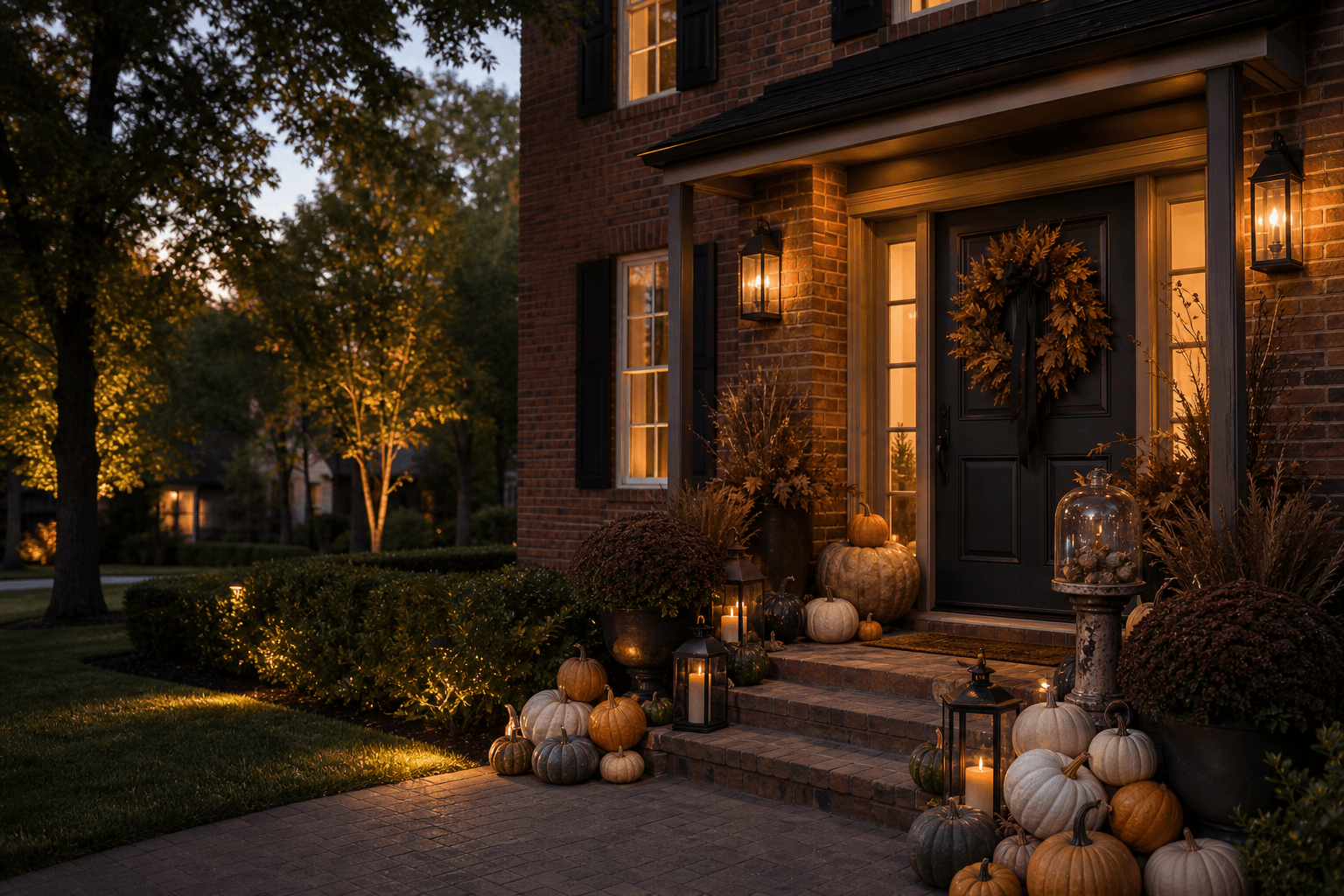
A community that goes from winter greenery and ribbon to spring florals to Fourth of July flag arrangements to fall pumpkin and gourd displays communicates ongoing investment. Residents notice. More importantly, people who are considering moving in notice. A neighborhood that rotates its entrance decor four times a year looks like a place where things are managed, because they are.
The scale matters here. What reads beautifully at a residential front door looks small and lost at a neighborhood entrance. Arrangements need to be sized for viewing at 35 mph, with large-format elements, height, and visual mass that translates from a moving vehicle. Monument signs need flanking pieces scaled to the column width. Median plantings need volume. This is where professional installation pays for itself, the proportions that work at the neighborhood scale aren't intuitive, and undersized decor looks worse than none at all.
HOA decor decisions stall for one reason: no defined standard
The committee problem is real. Twelve board members, forty email threads, three competing vendor quotes, and a contentious November meeting, and somehow nothing gets installed before Christmas. This pattern repeats in HOAs across DFW every year, and it's not because the board doesn't care. It's because there's no defined style guide and no accountable process.
The fix is straightforward: establish a visual standard once, tie it to the community's existing architectural guidelines, and assign a single point of contact responsible for execution. The standard should define color palette, general aesthetic (traditional, modern, organic), preferred silhouettes, and scale minimums. Once that exists, individual decisions stop requiring full committee approval, they just need to check against the standard. Annual budgeting becomes easier. Vendor relationships become consistent.
Coordinate decor with the community calendar, not just the retail calendar
The moments that matter most for entrance decor aren't determined by when Target puts up its seasonal displays. They're determined by when your community is most active and most visible.
Major holidays are obvious anchor points: fall and harvest, Halloween, Thanksgiving, Christmas and New Year's, Fourth of July. But community-specific events are equally important. If your HOA hosts an annual block party, a fall festival, or a summer pool kickoff, the entrance should reflect that, it welcomes residents and signals something worth attending. New resident move-in seasons, typically spring and late summer in DFW, are also high-value moments. A fresh, polished entrance during peak move-in months reinforces that buyers made the right choice.
Consistency matters more than cost at the neighborhood scale
DIY decor at the community level tends to look exactly like what it is: assembled by volunteers with different aesthetic instincts, varying budgets, and limited time. The result is usually inconsistent year over year, sometimes inconsistent within a single installation, and always dependent on whoever showed up that Saturday morning.
A defined vendor relationship solves all of that. Professional installation means the proportions are right, the materials are weather-appropriate for North Texas summers and winters, and the look is cohesive with what went up last season. It also means the board isn't asking volunteers to haul oversized arrangements or climb ladders. The total cost of a professional seasonal program is often lower than the cumulative cost of DIY once you account for materials, storage, volunteer coordination, and the occasional installation that had to be redone.
HOA entrance decor is a community asset. It should be managed like one.